Information, Selected Works, Links,
Self Governance
September 9–November 30, 2025
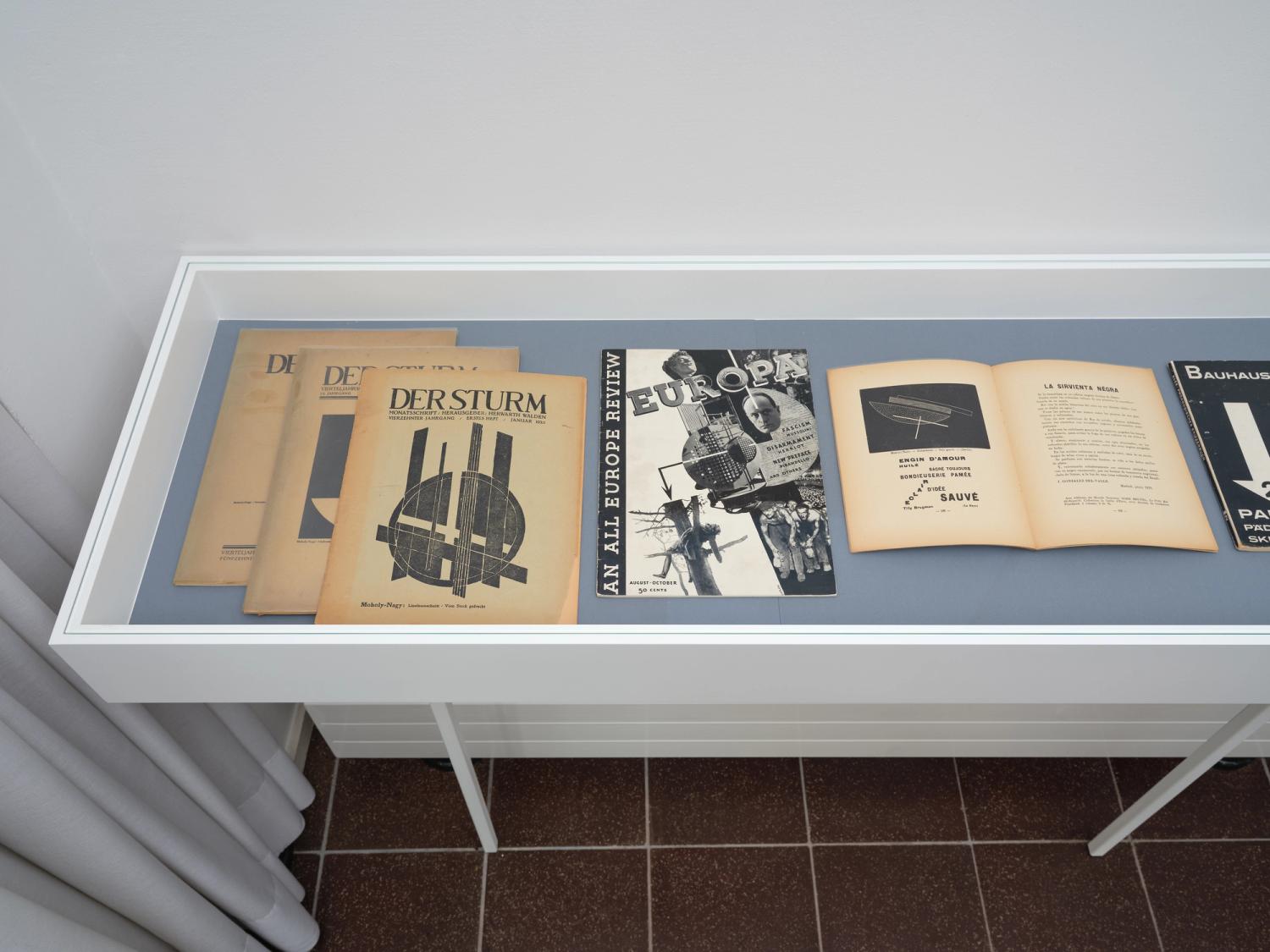
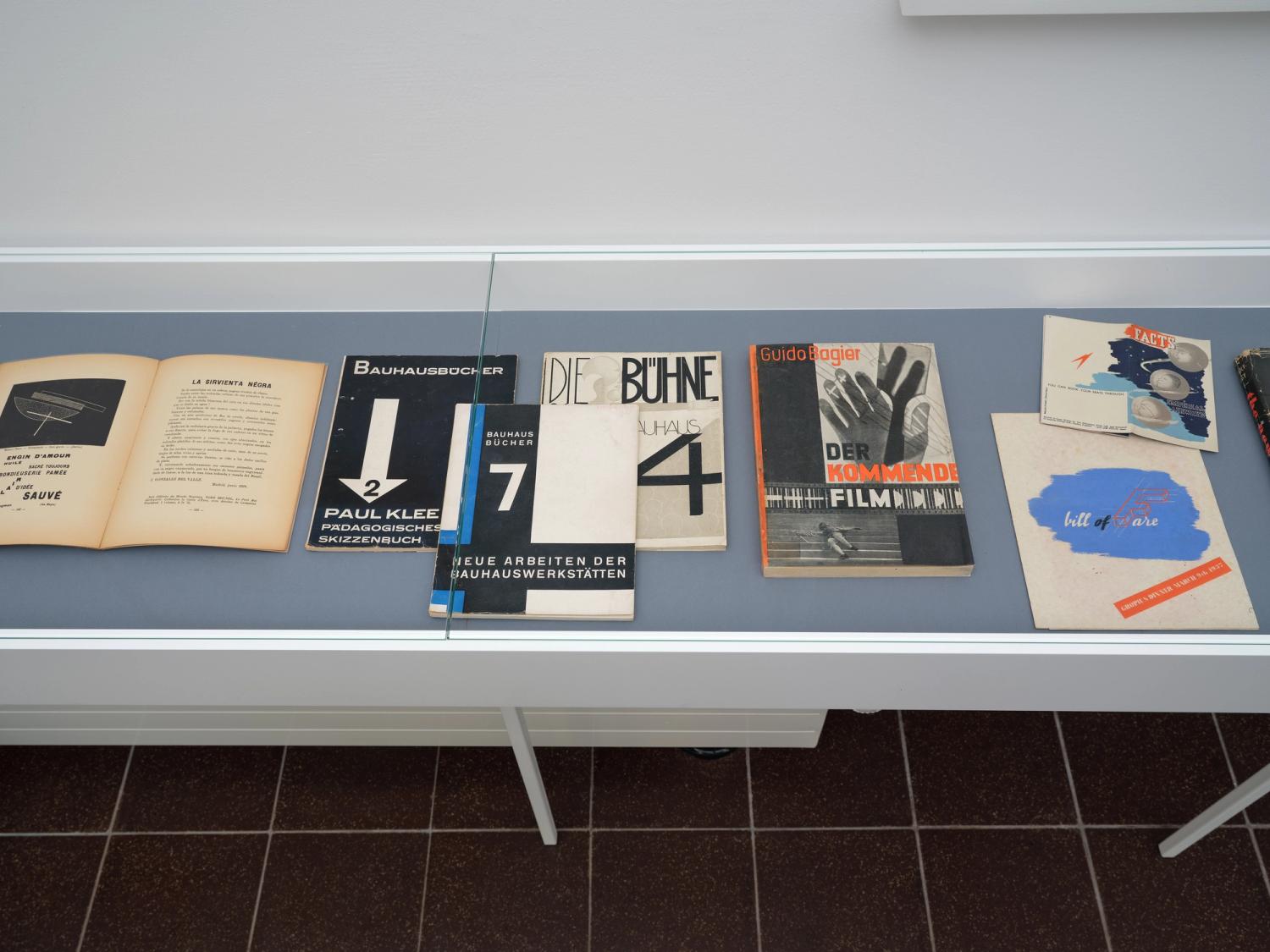
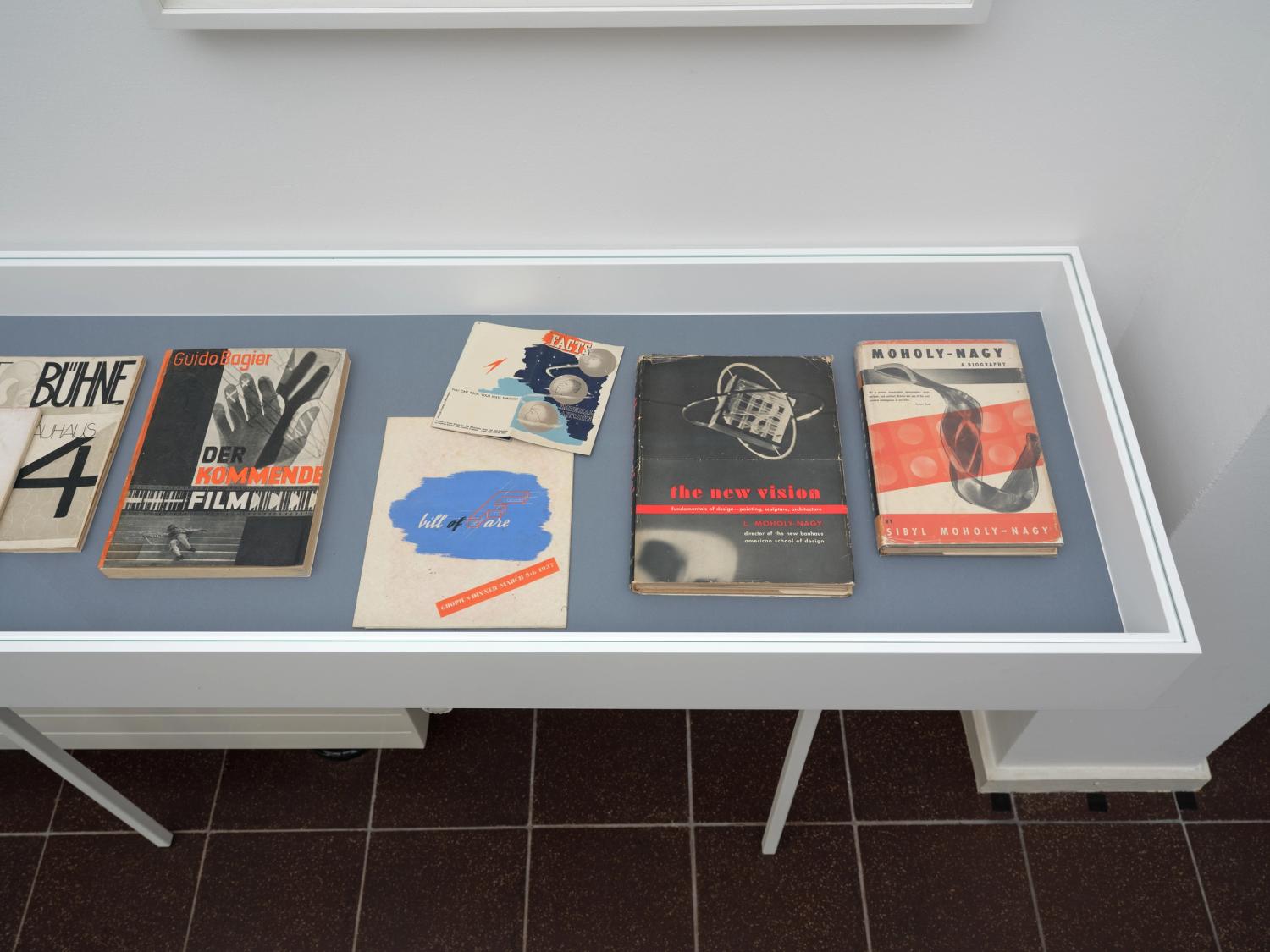
"To state the case is almost too simple: The industrial revolution opened up a new dimension - the dimension of a new science and a new technology which could be used for the realisation of all-embracing relationships. Contemporary man threw himself into the experience of these new relationships. But saturated with old ideologies, he approached the new dimension with obsolete practices and failed to translate his newly gained experience into emotional language and cultural reality. The result has been and still is misery and conflict, brutality and anguish, unemployment and war."
These are the opening lines of László Moholy-Nagy‘s final volume “Vision in Motion” Published in 1947, these words couldn‘t sound more contemporary today in addressing humanity‘s per-petual entanglement with technology—a moment in which common ground is increasingly eroding through economic pressure and ongoing polarization. Self Governance is the second iteration of Modernisms and invites a comparative perspective on interdisciplinarity as a method. While the destabilization of genre and category was essential to the Bauhaus move- ment and its protagonists—particularly Moholy-Nagy—its utopian character has been overtur- ned and undermined by today‘s accelerated capitalist mono-media culture and its recent focus on identity.
Dozie Kanu‘s work picks up some of these loose ends and develops an updated notion of interdisciplinarity by taking postcolonial perspectives into account. Working at a self- created intersection of design, scenography, and contemporary art, Kanu merges these disci- plines to develop objects that are both accessible and meaningful. In doing so, Kanu explores material cultures between African diasporas, industrial production, and contemporary pop culture, imbuing modern functional objects with ancestral significance as a potential middle ground—a form of "universalism from below.”
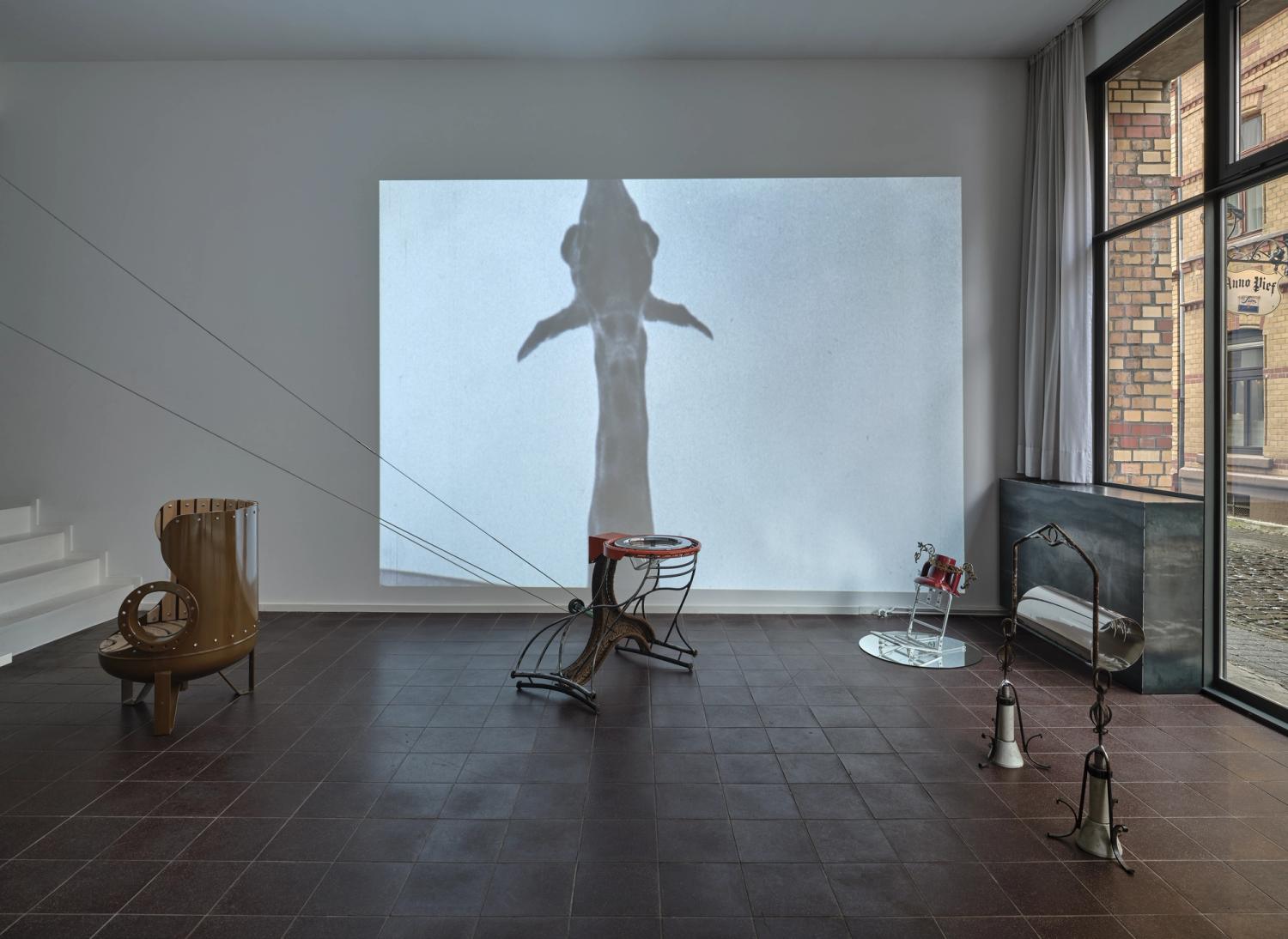
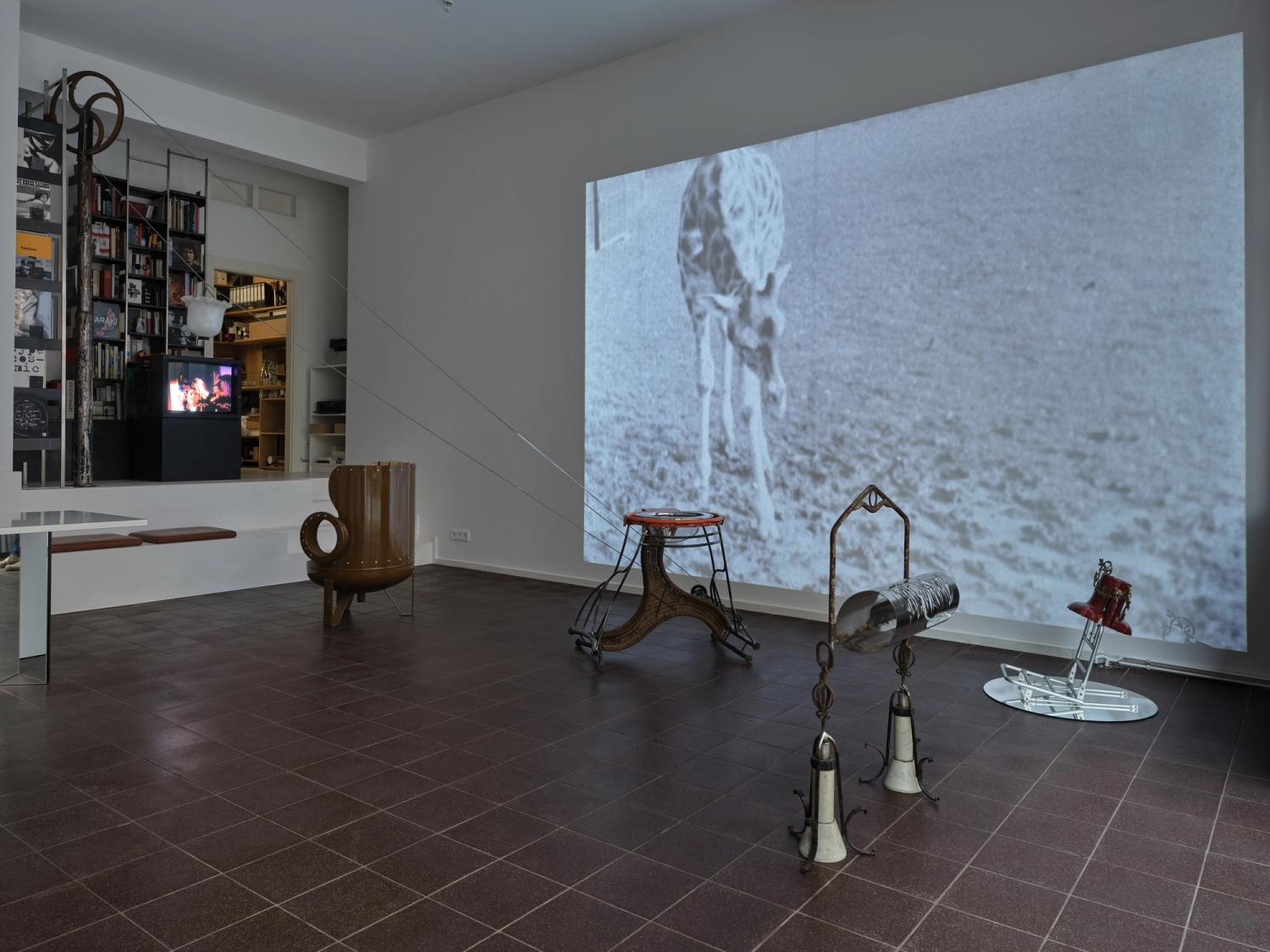
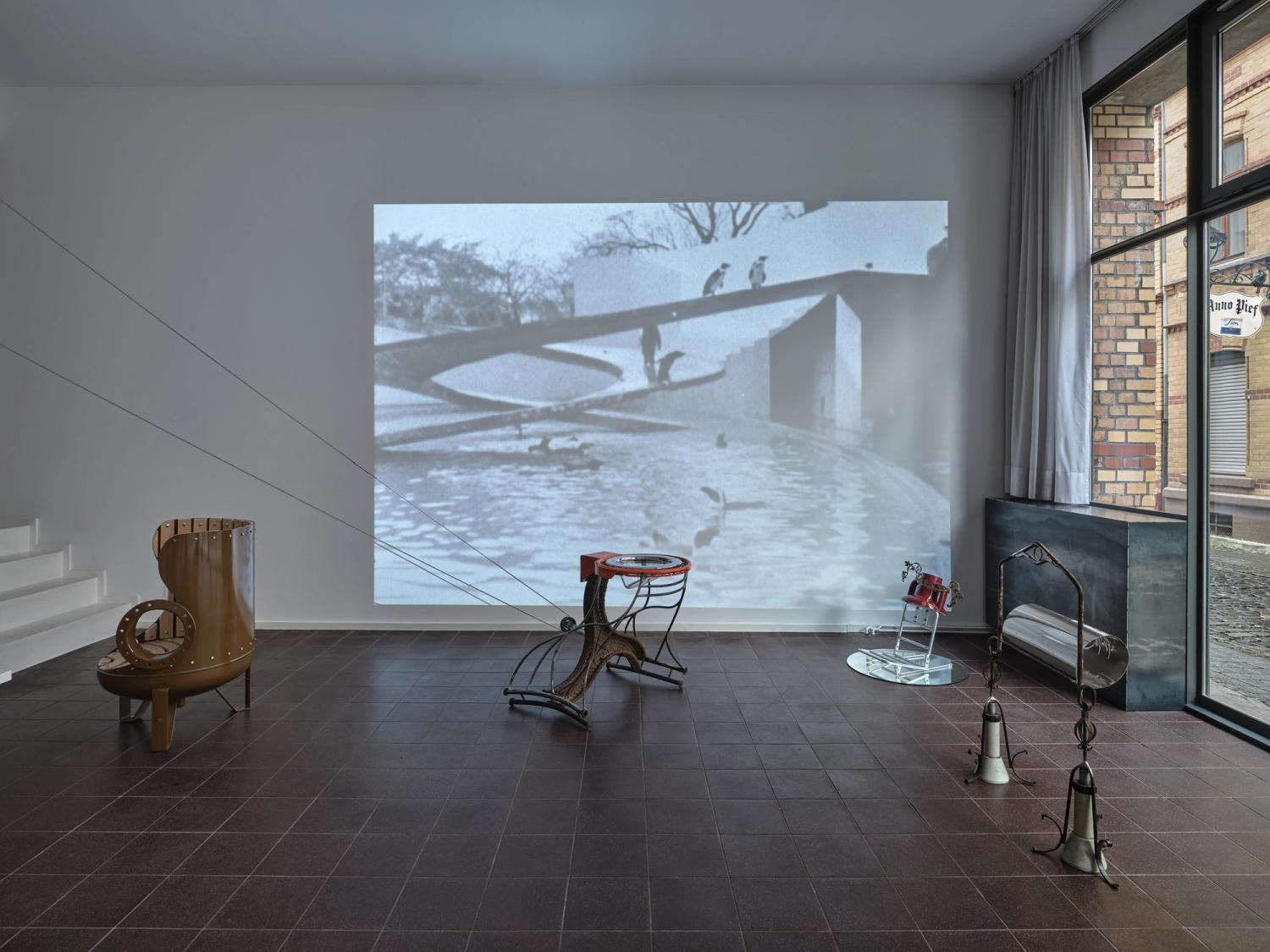
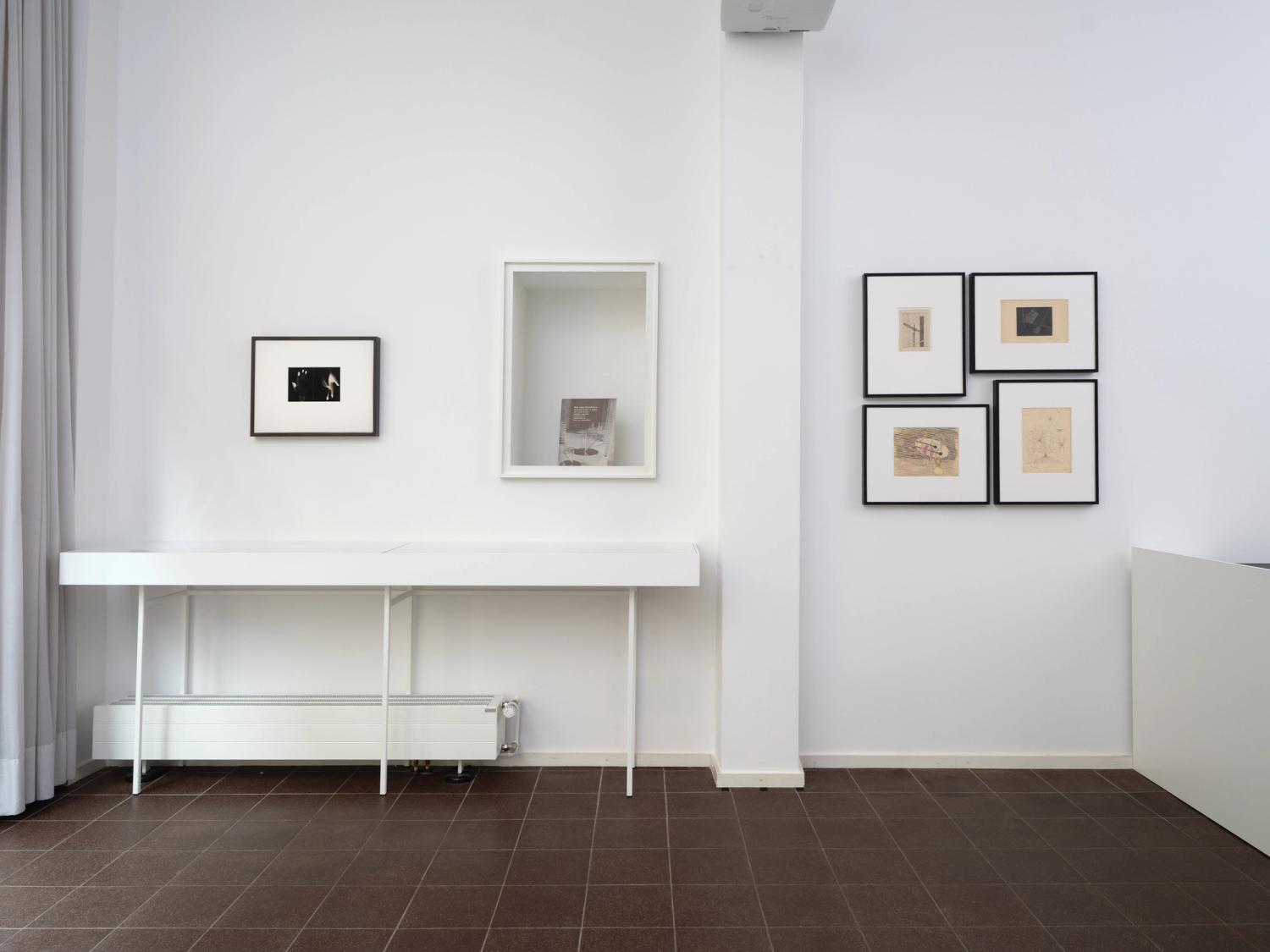
By László Moholy-Nagy, the exhibition combines photography and works on paper covering the essential periods of his career, from his activities in Berlin and Dessau to New York. Additionally, two films by the artist are on display. The New Architecture and the London Zoo (1937) shows a play of perspective and vision within the iconic Modernist architecture of the zoo by Richard Lutkins. Documenting both Modernist purity of the context and alluding to perspectives of the non-human inhabitants, the film remains open-ended and invites for further reflection. The second film, Do Not Disturb (1945), produced in collaboration with his students at the Institute of Design in Chicago, explores shifts and potentials of new visual technologies—multiple expo- sures, reverse motion, handheld camerawork, split screen, prism lenses, rapid motion, anddistortions—as visual equivalents to the social dynamics of young lovers. Furthermore, a vintage photograph of two of his iconic photograms (a term Moholy-Nagy coined himself) is on display, along with a test print for "Konstruktion 6" (1923) from his "Kestnermappe" which as devoted to his Light Prop, an apparatus finally realized in 1930. Compared to the original edi- tion, this version emphasizes transparency and minimalist appearance through its heightened spatial dimension. A variety of drawings emphasizes Moholy Nagy’s Utopian, scientifically driven approach of space as something modular and relative.
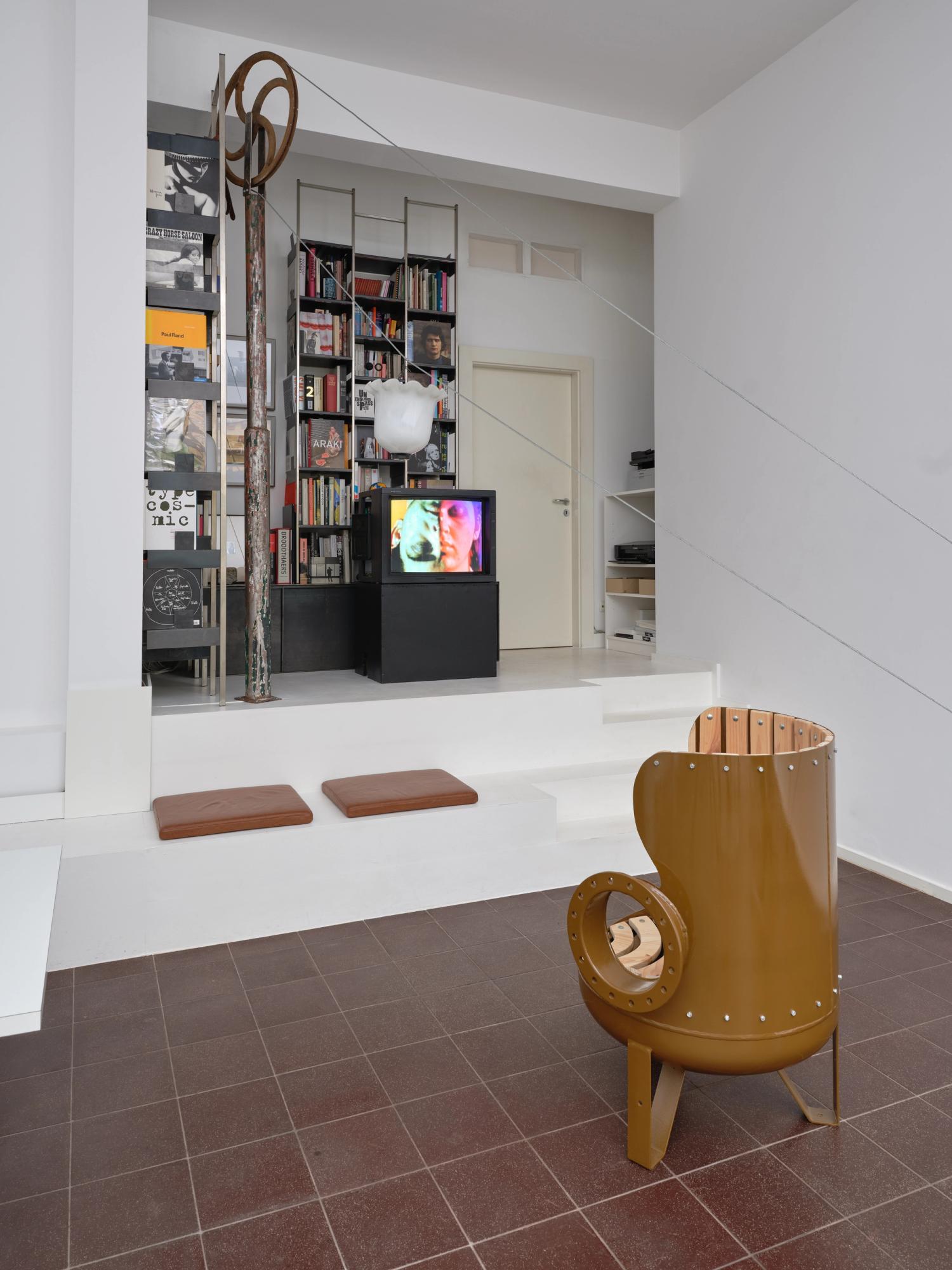
Moholy-Nagy‘s ideas serve as stage for Dozie Kanu, whose interdisciplinary thinking involves treating media, and concepts, but also material as fluid resources rather than fixed categories. His practice challenges aesthetic and social conventions by creating his own material and visual lexicon, influenced by today‘s global industrial consumer culture, design, along with their socio-political undercurrents. The exhibition-titling work Self Governance combines found components from a microscopes, a chandelier, and a tube bearing the hand-engraved term the artist commissioned for his Wallpaper-cover, where it was drawn by Helena Dong. Instead of serving the creation of transparency and enlightenment, the optical tools for techno- logy and vision are metaphorically darkened and embedded in more ancient histories addres- sing light. Chair [ xxi ] (Governing Body) (2025) continues Kanu‘s production of functional chairs. Here, he uses an infrastructure component from a compressed air receiver, which through his intervention becomes relaxation furniture. A comparable transformation is characteristic of easy gifted me, cup runneth over (2025), which functions as storage furniture. An earlier work, Pulley Trial (2021), bisects the exhibition space with steel wire and other salvaged steel materials, referencing industrial production and its historical connections up to slavery and the Functioning as a container for business cards, also this construction blurs diverse attributes such as ‚enlightenment,‘ ‚design,‘ and ‚comfort,‘ while connecting to Moholy- Nagy‘s ongoing concern with structuring space through linear elements. Evoking both plan- tation agriculture and industrial production systems that relied on Black bodies, the spatial division references both historical segregation and new possibilities for claiming, for “trials" to climb up and restructuring institutional spaces of all kind. While carefully built and manu-factured, Kanu’s work often read as a quick dead-pan quick joke, whose impact unfolds slowly but deeply in time.